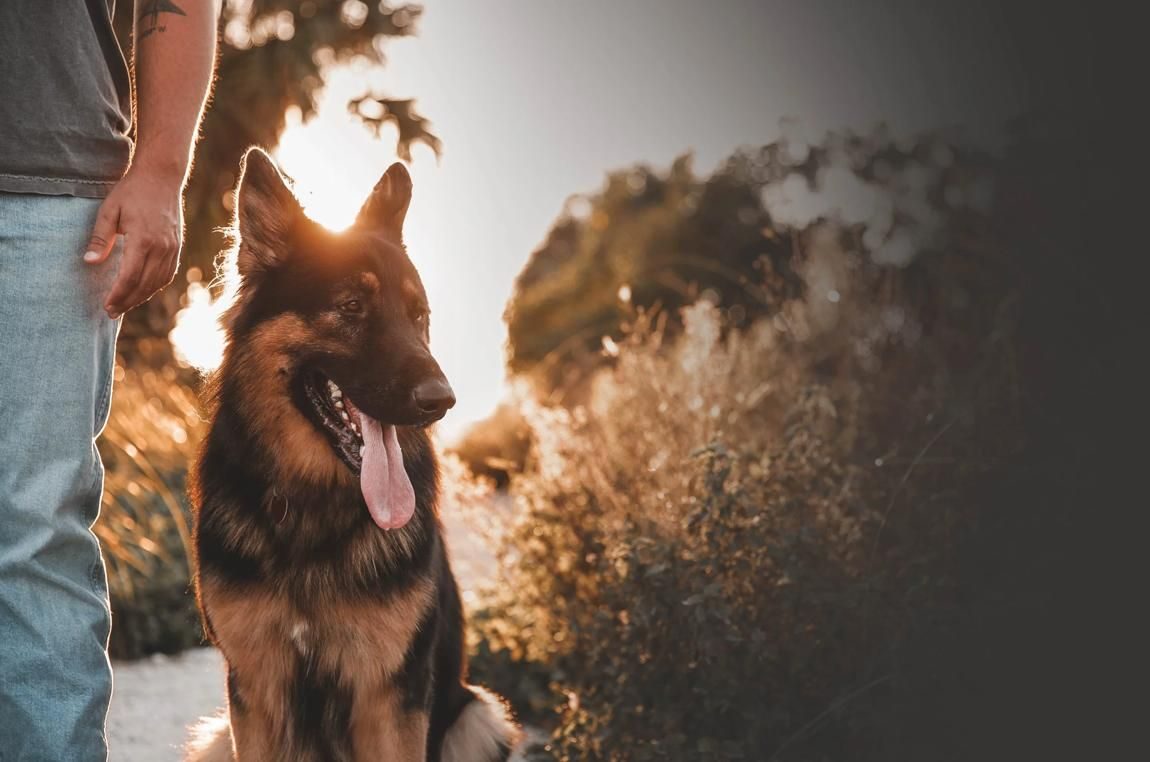
City dogs need city skills. Train where you walk.
- County
- Hillsborough
- From Tampa
- In town
- Main roads
- Interstate 275 and Dale Mabry Highway
- Where dogs walk
- the Hillsborough River Riverwalk and the downtown neighborhoods
Life in Tampa ranges from downtown condos to older neighborhoods with fenced yards, and each setup shapes training. A condo dog needs calm elevator and hallway manners and a reliable potty routine, while a yard dog needs a solid recall and polite behavior at the fence. Tell the trainer exactly where your dog spends the day.
The Riverwalk and the sidewalks around the downtown core are full of strollers, scooters, other dogs and outdoor dining, which is a useful classroom once the basics are in place. A good trainer will move lessons from your living room to streets like these gradually, so your dog learns to stay focused around real distractions instead of only behaving at home.
Heat and sudden summer storms matter here too. Many Tampa trainers schedule outdoor work for early mornings and evenings and keep sessions short in peak heat. A common scenario is a dog that walks well at 7 a.m. but pulls hard at dusk when the sidewalks fill up. Mention it in your request so the plan fits your day.
Before you request an estimate, jot down a few notes about your dog. Write down when the trouble happens, what comes right before it and what your dog does afterward. If your daily route includes Dale Mabry Highway traffic noise or the stretch near the Hillsborough River Riverwalk, mention that too. Short, specific notes help the referral match you with a trainer who has dealt with similar situations, and they make the first call far more useful.
Hurricane season is a real part of life in Tampa, and storms, thunder and sirens can make a nervous dog worse. Ask a trainer how to build a calm, comfortable crate or quiet corner now, long before a storm is in the forecast. A dog that already knows how to settle in a safe spot is easier to keep relaxed when the weather turns loud and the routine changes.
0% financing is available on larger programs, subject to approval.
How it works. Three simple steps.
- Fill out the short estimate form with your town and what your dog needs.
- Your request is reviewed and you are referred to a trainer based on your dog's needs and your area.
- You get a callback to talk through your dog and an estimate for the right program.
Nearby communities. Also covered.
Local resources. Learn more about Tampa.
Why owners choose this
One trainer. Your dog. A plan that fits.
We do not refer owners to franchise training chains. In our view, they lean on less experienced staff and indoor facilities instead of real-world training.
Good questions
Before we begin.
What kind of dog training suits an apartment or condo in Tampa?
Private or in-home lessons usually fit best, with a focus on leash manners, a calm elevator routine, quiet behavior while you are out and a dependable potty schedule. Tell the trainer about your building and your schedule.
Can lessons happen near busy downtown streets?
Yes, once your dog has the basics at home and on quieter blocks. Busy areas are added gradually so your dog is not overwhelmed. Ask the trainer how they decide when a dog is ready.
How do I be referred to a trainer for Tampa?
Fill out the estimate form with Tampa as your town. Your request is reviewed and you are referred to a professional trainer based on your dog's needs and your area.
How do I stop my dog from barking at thunderstorms in Tampa?
Start by giving your dog a quiet, comfortable place to settle, and practice staying there on calm days. A trainer can also help you build gradual, low-stress exposure to noise. Talk to your vet if the fear is severe.
How should I prepare for my first call with a Tampa dog trainer?
Have your dog's age, breed, daily routine and the specific problems ready, plus any vet notes. Ask where lessons happen, who teaches them and what a typical first session looks like. Programs start around $100.